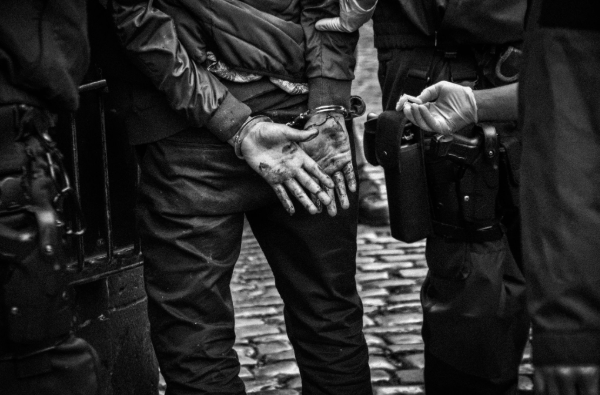
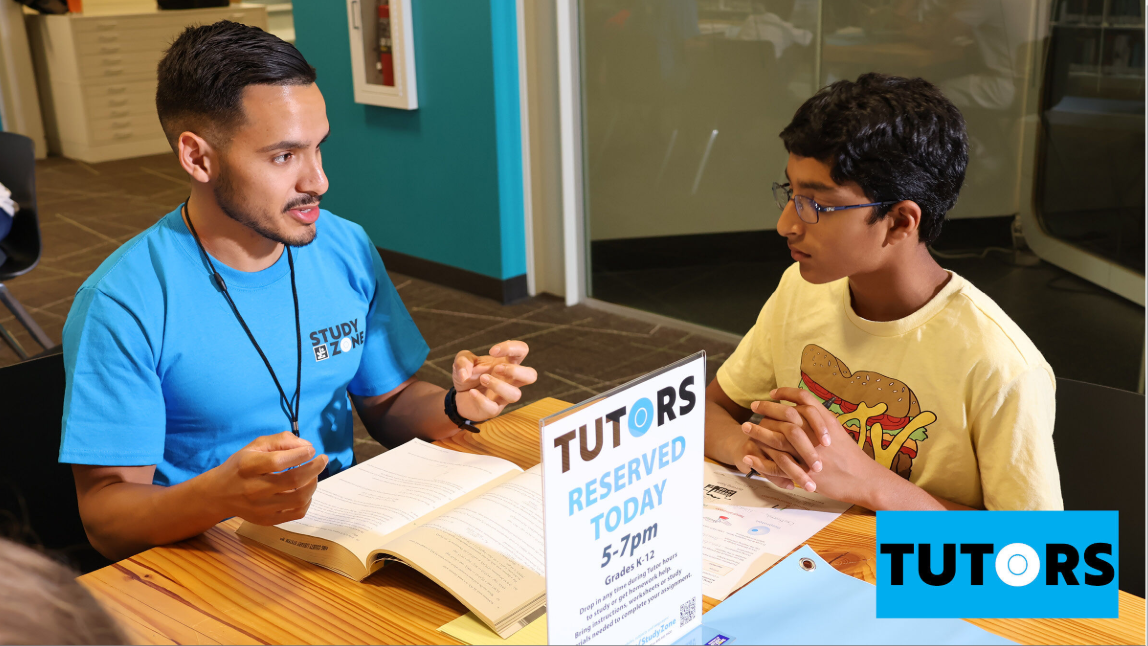
In recent years, mental health has become one of the biggest challenges facing teenagers across the United States. From classrooms to social media feeds, young people are opening up about anxiety, depression, and the pressures of growing up in a fast-paced, high-stress world.
A TIME Magazine story titled “American Teenagers on Mental Health, Growing Up, and Coping” reveals how teens are more honest than ever about their struggles. Through personal stories and photos, the article shows that many teens feel overwhelmed by academic expectations, social media comparisons, and worries about their future. Still, they are learning to cope — through art, writing, sports, or simply talking to trusted friends and counselors.
A Growing Epidemic
According to a Fox News health report, teen anxiety has reached epidemic levels — not only in the U.S., but also in countries like Australia. Researchers at the Murdoch Children’s Research Institute found that more teens now report feelings of sadness and anxiety than in any previous generation. Experts blame this rise on academic pressure, the lingering impact of the COVID-19 pandemic, and the constant comparison culture fueled by social media.
Teen Mental Health Statistics (U.S.) Percentage:
Teens experiencing persistent sadness or hopelessness 42%
Teens diagnosed with anxiety disorders 30%
Teens who sought help from a counselor or therapist 25%
Teens who reported feeling “better” after getting help 70%
(Sources: CDC, NIMH, TIME, Fox News Health, 2024)
Public figures have also joined the conversation, using their platforms to remind teens that they’re not alone. Singer Billie Eilish has openly discussed her struggles with depression and body image, explaining how therapy and journaling helped her regain confidence. Olympic gymnast Simone Biles made headlines when she prioritized her mental health during the Tokyo Games, showing that even the strongest athletes need rest and support. Actor Tom Holland spoke about taking a break from social media for his well-being, encouraging fans to do the same when life feels overwhelming.
“Mental health is just as important as physical health,” Biles said in an interview. “Taking care of yourself isn’t weakness — it’s strength.”
Finding Hope and Healing
Experts interviewed by CNN emphasize that improving teen mental health starts with awareness and action. Simple lifestyle changes — such as more sleep, time outdoors, less screen time, and honest communication with parents or teachers — can make a powerful difference. Schools are also adding wellness programs and peer support groups to create safe spaces for students.
Despite the challenges, there are many signs of hope. More teens are breaking the stigma, sharing their stories, and supporting one another. Mental health hotlines, therapy apps, and school counselors are reaching more people than ever before.
As one student told TIME, “We’re not afraid to talk about it anymore — and that’s how things start to change.”
Today’s teens are proving that healing is possible. By speaking up, seeking help, and supporting each other, they are transforming pain into power. The message is clear: you are not alone, and it’s okay to ask for help. Every conversation, every act of kindness, and every step toward self-care moves us closer to a generation that is mentally stronger, more open, and full of hope.
Sources:
TIME — “American Teenagers on Mental Health, Growing Up, and Coping”
https://time.com/6320195/us-teen-mental-health-photos/ Links to an external site.
The teen anxiety epidemic in the US and Australia — and what to do about it, https://www.foxnews.com/health/teen-anxiety-epidemic-us australia-what-do
Links to an external site.
Why teens are so stressed, according to an expert,
https://www.cnn.com/2025/08/14/health/teen-mental-health-stress school-wellness