What is the Third World Liberation Front?
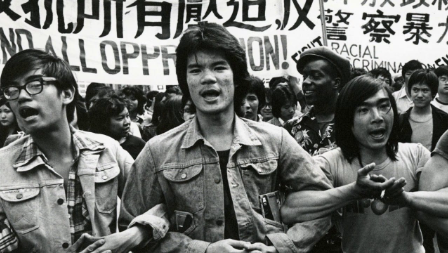
The Third World Liberation Front was a series of strikes and protests by multiple student ethnic groups on college campuses in California, from the years of 1968-1969. These protests were held as a response to Euroethnic teachings in schools and the lack of diverse teachings at San Francisco college. In the 1960’s, the Higher Education Act and the Nationality Act caused an increase in enrollment of students of color in predominantly white colleges and universities. This caused a shift which challenged the Euroethnic curriculum, which created several formation movements, including The Third World Liberation Front.
What Happened During The World Liberation Front?
The Third World Liberation Front took place at San Francisco State College and the University of California, but the first WLF started at San Francisco State College. The strikes began on November 6, 1968, and ended on March 21, 1969, which makes it the longest student strike at an academic institution in the United States. It involved organizations such as, BSU (Black Student Union), The Native American Student Union, ICSA (Intercollegiate Chinese Social Action), and many other organizations. These strikes protested the Euroethnic lens on education. They also demanded that the college establish an autonomous department of ethnic studies and more representation for students of color on campus.
In 1969, the University of California held TWLF strikes and was led by four main groups, AASU (Afro-American Student Union), APPA (Asian American Political Alliance), NASA (Native American Student Alliance), and MASC (Mexican American Student Confederation). Each group had their own goals and perspectives, but they unified to establish a Third World College that sought respect and empowerment for people of color.
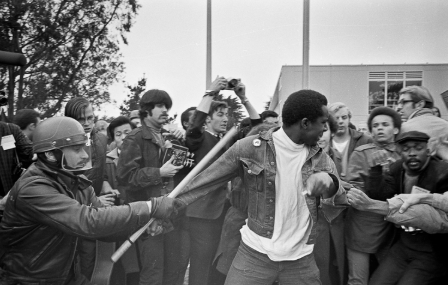
Legacy/Impact
The Third World Liberation Front inspired multiple campuses and communities to protest to establish multicultural studies in schools, and because of the TWLF, we are allowed to study different cultures at our schools. This shows that if you stand with other people for a common cause, you can build solidarity and make a difference.
Sources: