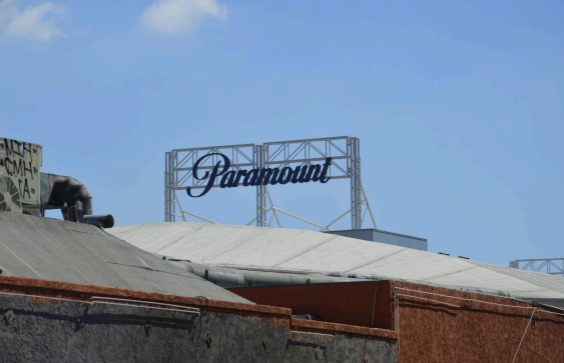
Paramount’s acquisition of Warner Bros. Discovery marks a seismic shift in the media landscape, particularly in the realm of film and television. This move combines two of the most recognizable and beloved libraries of content, Warner Bros. and Paramount, home to franchises like “Star Wars,” “Harry Potter,” “Batman,” and “Transformers,” among many others. The merger gives born “entertainment visionaries” even more tools with which to work and increases their power and leverage in moving to the streaming future. This merger marks an important step in the streaming service entertainment industry and the film industry as a whole. This merger also brings up questions about the threat of a monopoly being created, and if the acquisition is entirely ethical or not. As things now stand, Warner Bros. Discovery and Paramount Global are two of the biggest collections of storytelling under one roof ever put together.
With this merger, the question of what impact will all of this have on the variety and quality of stories and characters offered up for our consumption? Will we end up with less variety and originality on our screens because these two giant collections came together as one? We could see a return of the studio system where franchises, such as Harry Potter or DC, see more of a widespread release than these franchises already do.
Recent entertainment trends see companies pushing less original ideas and continuous revivals and sequels to preexisting creations instead of new original creations from smaller artists who have yet to make a name for themselves in the industry. What most hope for is a balance of consumer choice and artistic expression in their media in this major consolidation. The deal brings down the number of major studios from five to four, giving immense market power to the new studio structure. Netflix was originally bidding for Warner Bros., but Paramount was able to acquire the final deal of $110 Billion dollars for Warner Bros. With the two main competitors to Paramount being Universal and Disney, this acquisition brings the threat of possibly creating a monopoly and Paramount jacking prices on consumers with no other threats on their streaming monopoly and cornering the market.
The possibility of restrictive content licensing and streaming rights becoming a norm is within the picture and is important for the market and consumers to consider. With the combined entity controlling a large portfolio of “must-see” content across both companies, and a huge creative army working on creating more to add to their library, Paramount can easily pull this off and make streaming incredibly exclusive. This makes the possibility of more restrictive content and licensing and streaming rights to be considered to changing them within the industry. With the combined entity controlling such a large portfolio of “must-see” content across both companies, and with a huge creative army figuring out how to come up with more, more exclusive streaming is a very likely possibility for their future. The acquisition should be a cause for concern, something that might not have been invited when the rationales for deal-making were discussed. Yet it’s quite likely that this will lead to a much costlier kind of entertainment, but beyond that, the purchase is paramount to understanding several things about the nature of screen culture and its present dynamism. It combines operational efficiencies and makes for a leisurely pace at which one can move through some superlative art under a single banner.
Some argue this introduces a little more of the “good” into the situation of what was already a bad deal. We know that mergers of great power, however, are rarely expected to serve a wide variety of audiences in any meaningful way. Especially not if the consumer happens to be in a niche, but this is a big deal. It’s a deal that should give a society like ours, which cares about a pluralistic media, some pause for thought. Ticket prices and subscription models are a part of this deal, too. They are the consumer-facing consequences of the merger. The second failure of a consolidated media landscape is a qualitative one. How often do we see conglomeration yielding anything truly different? As for better or more diverse kinds of art, occupying genres or serving audiences that were insufficiently addressed before. An example would be the combination of Disney and Lucasfilm and if it has allowed for sufficient innovation, even in terms of what could be called a different kind of building better mousetraps? The big players in entertainment now have access to a vast array of what we might call legacy content, and it seems left largely to them to keep that content fresh and renewed.
Sources:
https://www.theguardian.com/film/2026/mar/17/paramount-buying-warner-bros-change-hollywood
https://www.vox.com/podcasts/482508/david-ellison-paramount-merger
https://www.nytimes.com/2026/03/02/technology/paramount-deal-approval.html
https://www.cbc.ca/news/entertainment/crave-hbo-warner-bros-paramount-deal-9.7115968
https://ericdeggans.substack.com/p/what-scares-me-most-about-paramount
https://decaturian.com/views/2026/03/16/paramount-buys-warner-brothers-what-now/