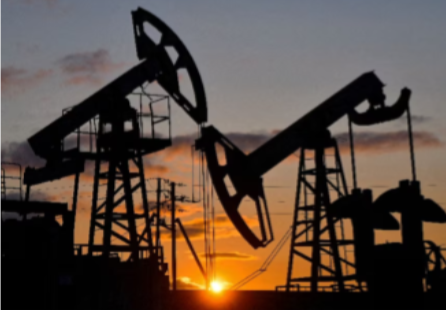
One of the biggest news stories is the growing conflict and negotiations involving the United States, Iran, and the Strait of Hormuz. Leaders from several countries have been trying to prevent the situation from turning into a larger regional war. Reports say tensions increased after disagreements over Iran’s nuclear program and control of shipping routes in the Strait of Hormuz, which is one of the world’s most important oil transportation areas. Oil prices rose because many countries are worried that continued conflict could affect the global economy and energy supplies.
U.S. President Donald Trump and Chinese President Xi Jinping also discussed the crisis during meetings in Beijing. The United States has been pushing for Iran to reopen the Strait of Hormuz and return to negotiations, while Iran has said it does not trust the U.S. government and will only continue talks if they believe negotiations are serious. Military leaders in Washington said recent strikes seriously damaged parts of Iran’s military systems, but experts warn the situation is still unstable and could escalate again if diplomacy fails. Many world leaders are now calling for ceasefire agreements and peaceful negotiations to avoid further conflict in the Middle East. Analysts say this is very important for global security and oil markets.
The conflict involving Iran, the United States, and Israel continue to create major tension across the Middle East. Much of the focus has remained on the Strait of Hormuz. Iran has continued tightening control over the area, causing concern for countries that depend on oil shipments moving through the Gulf. The United States and its allies have kept military ships in the region to protect commercial vessels and maintain trade routes. Reports from Reuters say negotiations between the U.S. and Iran are still ongoing, but both sides disagree on major issues.
Iran wants to keep control over uranium enrichment and parts of the Strait of Hormuz, while the United States is demanding stronger limits and safer shipping access. Even though officials say there has been “some progress,” no final agreement has been reached yet. Another major issue has been the impact on the world economy. Oil prices have continued to rise and fall because investors are unsure whether peace talks will succeed or if fighting could become worse. Concerns about attacks on oil tankers and supply routes have increased fears about global fuel shortages and higher prices for gas and transportation. Countries in the Middle East are also feeling the effects of the conflict.
Reuters reported that thousands of sailors and workers have become stranded near the Gulf because shipping traffic through the Strait of Hormuz has slowed down. Some ships are waiting for permission to move safely through the region, while workers onboard face shortages of food, water, and communication. At the same time, diplomatic efforts are continuing. Qatar has sent negotiators to Tehran to help restart talks between Iran and the United States. Pakistan has also been involved in trying to arrange peace discussions between both sides. World leaders hope diplomacy can prevent a larger regional war from breaking out. Overall, the situation in the Middle East remains tense and uncertain. While leaders are continuing negotiations, military activity and disagreements over oil routes and nuclear programs are keeping the conflict active.
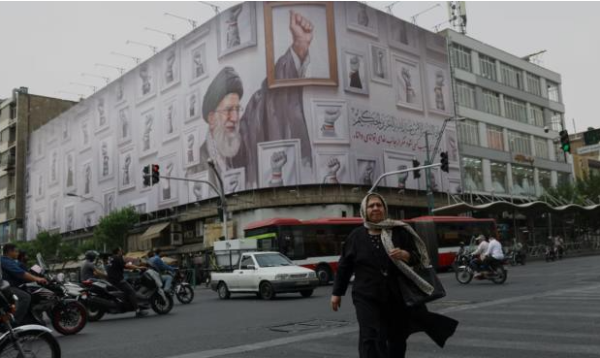
Reports indicate that diplomats are making progress toward a possible peace agreement. Investors and governments around the world are watching closely because the conflict has affected oil prices, shipping routes, and the global economy. The talks continue to focus heavily on the Strait of Hormuz.
Financial experts say that a successful agreement could reduce economic uncertainty and improve stability in global energy markets. Leaders from multiple countries continue to encourage diplomacy rather than military escalation. While negotiators have not yet reached a final deal, officials say discussions are continuing. Many analysts believe the next few weeks will be important in determining whether a lasting agreement can be reached. The outcome of these talks matters not only to countries in the Middle East but also to people around the world. Changes in oil prices can affect transportation costs, airline fares, shipping expenses, and even the prices consumers pay for everyday goods. Due to these impacts, the negotiations have become one of the most closely watched international stories.
Sources:
Reuters – Oil prices rise as U.S.-Iran tensions continue
Reuters – Iran says it has “no trust” in the U.S.
The Guardian – Trump and Xi discuss Iran conflict