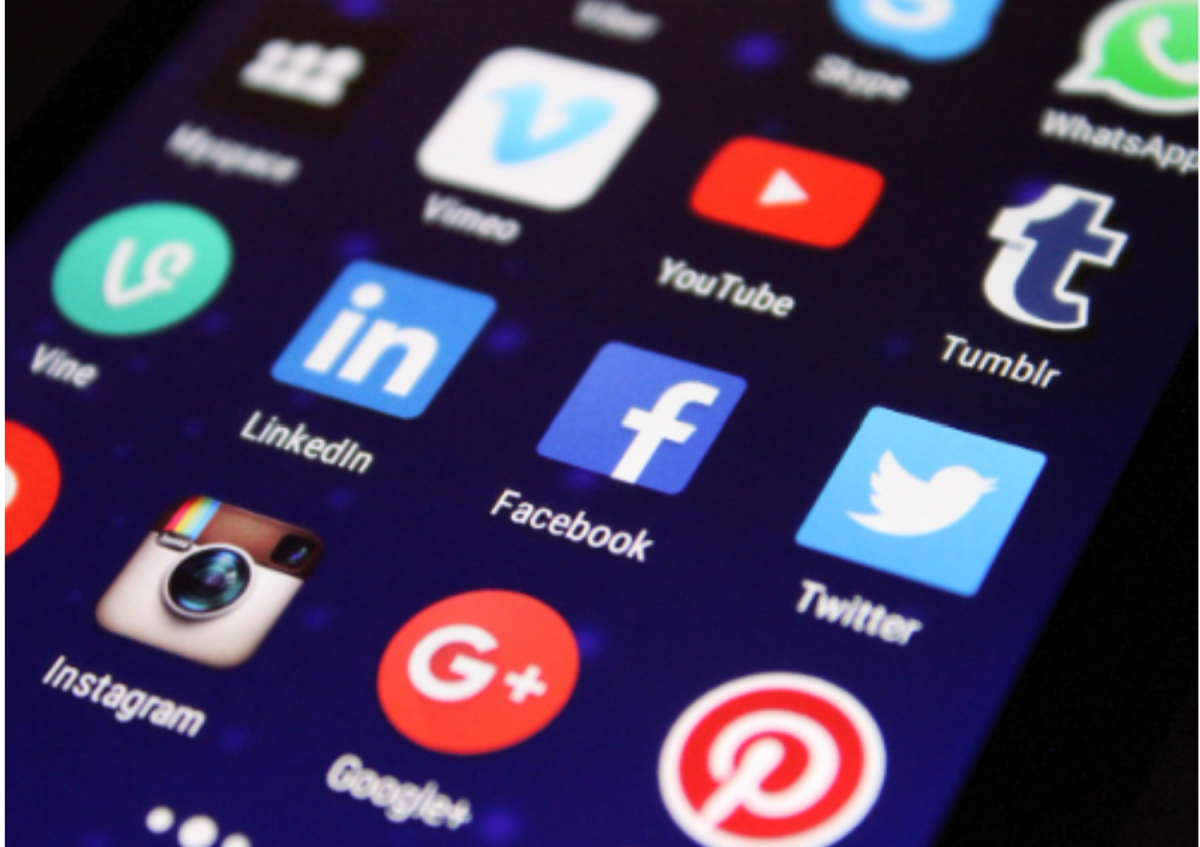
Social media has become a big part of everyday life, especially for teenagers and young adults. Platforms like Instagram, TikTok, and Snapchat allow people to communicate instantly, to share information, and connect with others around the world. However, experts warn that social media can also be connected to modern crimes such as cyberbullying, scams, online threats, identity theft, and illegal activities organized through messaging apps and online groups.
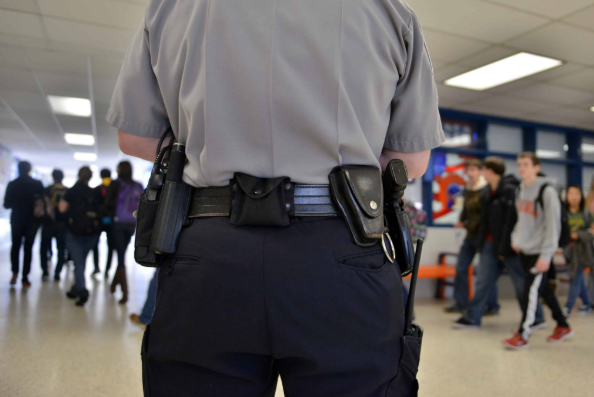
Law enforcement agencies and schools have become more concerned about how social media can influence harmful behavior. Online scams often target teenagers through fake giveaways, suspicious links, or impersonation accounts. In some cases, social media has also been used to spread threats, harassment, or dangerous trends that encourage illegal behavior. According to experts, the speed at which information spreads online can make these situations more difficult to control and investigate. At the same time, social media can also help police departments share emergency information and raise awareness about crime prevention.
In Washington State, schools have increased efforts to address cyberbullying and online harassment among students. Cyberbullying can include spreading rumors online, sending threatening messages, or posting harmful content through social media platforms. Due to many students spending hours online every day, school officials say digital harassment can affect students’ mental health, school performance, and sense of safety.
Although social media can create risks, some experts believe education and digital awareness are important ways to stay safe online. Students are encouraged to protect personal information, report suspicious behavior, and think carefully before sharing content publicly. Schools and communities can also help by teaching digital safety and responsible online behavior. Understanding both the benefits and dangers of social media can help young people make safer decisions in an increasingly connected world.
Sources: