On November 18, 2011, a simple block-building game officially launched and quietly began reshaping the gaming industry. That game was Minecraft. Developed by Mojang Studios and later acquired by Microsoft, Minecraft has since become the best-selling video game of all time. It is more than just a game; it has evolved into a creative platform. It is an educational tool, and a cultural phenomenon.
A World Built by You
At its core, Minecraft is about freedom. Players are dropped into a procedurally generated world made entirely of blocks, such as trees, mountains, oceans, caves. They are all waiting to be shaped. There are no strict objectives, and no forced story line. Instead, the game offers two primary modes, which are Survival and Creative.
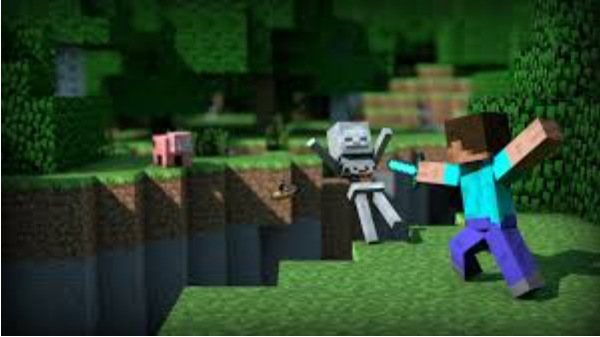
In Survival mode, players gather resources, craft tools, build shelter, and fend off hostile mobs like zombies and skeletons. The constant balance between exploration and danger creates tension, especially during those first few in-game nights when you’re racing to build a safe place before darkness falls.
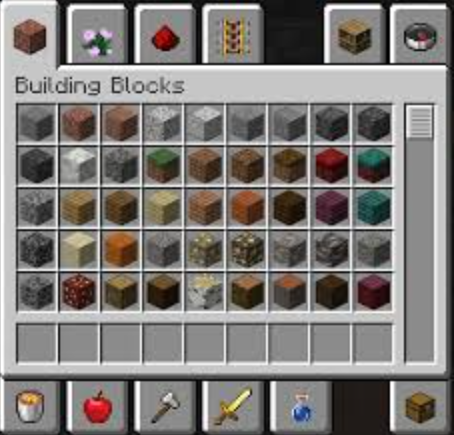
Creative mode removes limitations entirely. Unlimited resources and flight allow players to build anything imaginable, such as massive castles, modern cities, replicas of real-world landmarks, even the characters from the anime. The only limit is the imagination.
Simple Graphics, Endless Depth
Visually, Minecraft is intentionally minimalist. It is pixelated, blocky art style may seem basic at first see, but it has become iconic. The simplicity allows the game to run on nearly any device, making it accessible to players of all ages around the world.
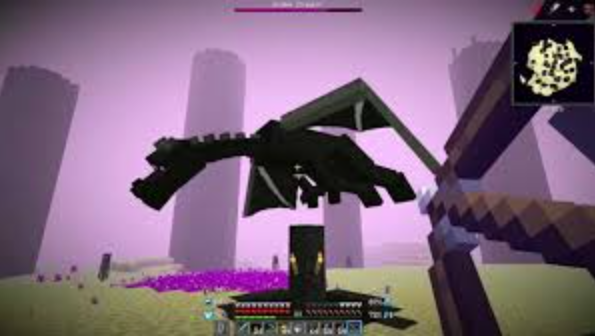
However, beneath its unassuming exterior lies a surprising depth. Redstone mechanics allow for complex engineering. Enchanting, potion brewing, and boss battles against the Ender Dragon are big challenges. Frequent updates over the years, such as new biomes, mobs, and features has kept the experience fresh and evolving.
A Game That Connects Generations
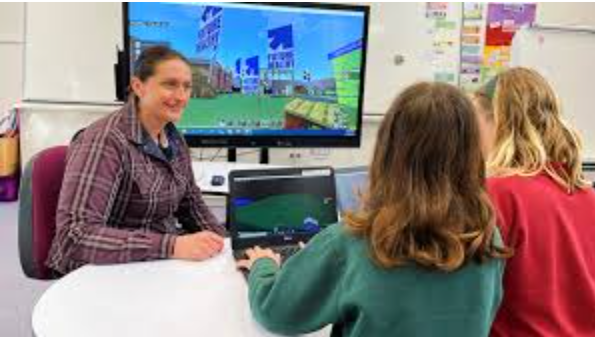
One of Minecraft’s greatest strengths is its universal appeal. Children play it for fun. Teenagers build ambitious survival worlds with friends. Adults use it as a creative outlet. Teachers even use Minecraft: Education Edition in classrooms to teach coding, architecture, and problem solving skills.
The multiplayer experience is especially powerful. Whether you’re teaming up with friends to defeat the Wither or joining massive online servers filled with mini-games and custom modes, the sense of community is undeniable. Entire online ecosystems have formed around the game, from YouTube creators to competitive building communities.
Cultural Impact
Few games have left a footprint as large as Minecraft. It has influenced merchandise, books, derivative works, and even live events. Its soundtrack by C418 is calm and atmospheric, adding a surprising emotional layer to exploration. For many players, hearing the soft piano notes instantly brings back memories of their first world.
What makes Minecraft meaningful is not a scripted narrative. It’s the stories players create themselves. The first diamond you mine. The house you accidentally burned down. The server you and your friends spent months building together. These moments feel meaningful because they are personal.
Final Thoughts
Minecraft is more than a sandbox game. It is a digital playground that encourages creativity, resilience, and collaboration. It’s open-ended design gives players ownership over their experience in a way few games ever have.
Whether you’re a seasoned builder or someone who has never placed a single block, Minecraft is a game worth experiencing at least once. Over a decade later, its world is still growing, and so is the imagination of the players who step into it.
Sources:
https://minecraft.fandom.com/wiki/Creative
https://www.minecraft.net/en-us/minecraft-tips-for-beginners
https://www.ebsco.com/research-starters/history/minecraft-game