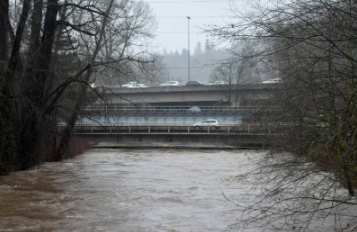
Photo of the Cedar River with high level flood waters.
Recently in Washington state there have been multiple, intense floods occurring that have caused people in their homes to evacuate to safer parts of Washington. Right now, let’s focus on Renton, Washington.
The Cedar River has been flooded; it was known for its beautiful waves and the community that visits and goes out on walks beside it. However, it has recently flooded. Rainfall and snow melting in the mountains started the high river flows in both the Green River and the Cedar River, which were categorized at phase four flooding (severe level).
City staff said it is an ongoing issue, but they expect it to recede soon.
The city did not have a financial estimate on the damage done by the flood yet, but Renton Emergency Management Director Deborah Needham told councilmembers during the last major flooding event in 2009 that the city experienced $4 million worth of damage. Much of the costs can be reimbursed through FEMA, Needham said, but first they require a Presidential Disaster Declaration from the President of the United States. The county needs to meet $7.5 million worth of damages to receive a declaration, and the state in total must have $10.5 million in damages.
At the Renton Maplewood Golf Course, 14 holes were still open, but significant flooding closed four of the newly built holes. The Elliot Fish Spawning channel was also overtopped, and trees were down along the trail area.
The lower walkway along the Cedar River and the grass behind the Renton Senior Activity Center experienced high flooding as well.
The Renton Municipal Airport is located next to the mouth of the river flowing into Lake Washington. As a result, debris including large logs and other things swept away during the flood have clogged the waterside of the airport. In the committee meeting, city staff said it was “crazy” the number of debris that went out into the lake.
To prepare for a flood, it is recommended to create an emergency kit with supplies and documents, develop a family evacuation plan, know your flood risk using FEMA flood maps, purchase flood insurance (standard policies don’t cover floods), and prepare your home by elevating utilities and securing valuables. Always remember the motto: “Turn Around, Don’t Drown!” and never walk or drive through floodwaters.
After a flood, prioritize safety by avoiding contaminated water and downed power lines, then focus on cleanup by turning off utilities, documenting damage for insurance, and thoroughly drying and disinfecting your home to prevent mold, while also contacting family and support services like the Red Cross for help.
Immediate Safety & Assessment after a flood includes:
- Wait for the “All Clear”: Only return home when authorities say it’s safe, as there may be hidden damage or hazards.
- Check for Hazards: Be wary of downed power lines, gas leaks (call 911), and structural damage like collapsing floors.
- Shut Off Utilities: Turn off electricity at the main breaker and gas lines if you suspect damage.
- Avoid Floodwater: Stay out of all floodwaters as they are contaminated with sewage, chemicals, and debris.
- Document Everything: Take photos and videos of all damage for insurance claims before you start cleaning.
Be safe out there Renton & Washington residents!